AGI Blog

Technical perspectives, case studies, and practical guidance across forensic investigation, damage assessment, disaster restoration, and risk.

Latest articles

Explore insights from AGI specialists working across complex loss, recovery, investigation, and business continuity challenges.

May 17, 2017

Water Damage Assessment

Water, as simple as it sounds, can cause hundreds to thousands worth of damage. Various items can be damaged by water such as wood furniture, carpets, electronics and appliances in commercial buildings or residential households. Water damage can originate from different sources such as broken or leaking pipes, clogged pipes, water pump failure, natural disasters such as flood and rain. Insurance policy normally would cover the cost associated with water damage. Hence, water damage assessment is important to verify the water-affected items as well as to determine the severity of the damage.

Read article

April 7, 2017

Collision Damage Classification

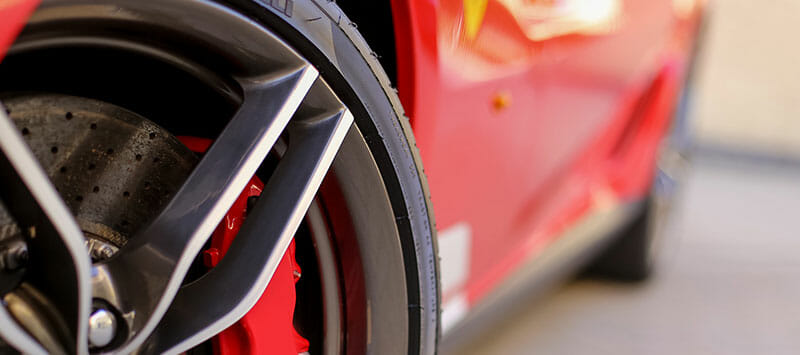
Collision Damage Classification (CDC, per SAE MAR80 J224) is an excellent tool to provide a clear and concise description to the principal direction of force (PDoF) onto a motor vehicle during a vehicular accident investigation and reconstruction.

The standard was developed by the federal United States government to simplify the description of damage, where the direction of PDoF at point of impact (POI), vehicle deformation location, general type of collision, and damage scale are entailed and coded by numbers and letters.

Read article

October 14, 2016

Fire Debris Collection for Instrumental Analysis

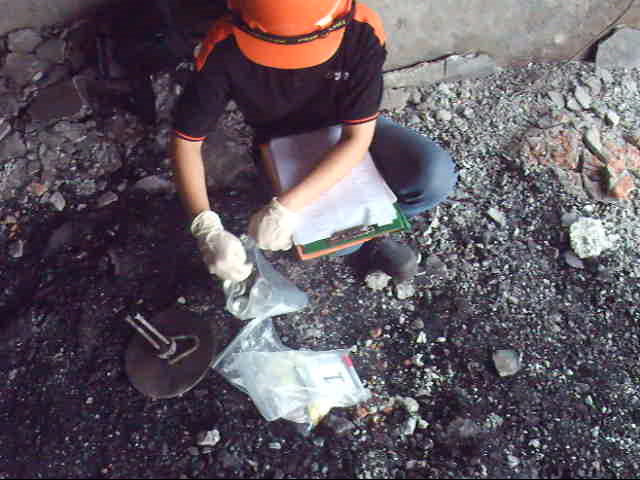
Persistence of ignitable liquid residues at fire scenes can challenge the most experienced fire investigator. The recovery of Ignitable liquid residue requires knowledge, experience, skill and a certain amount of luck. John has recently presented a paper titled “Fire Debris Collection for Instrumental Analysis” at “The Evidence Conference”, delivered in Washington DC and this article aims to provide a summary of his paper.

Read article

October 14, 2016

Dehumidification Process

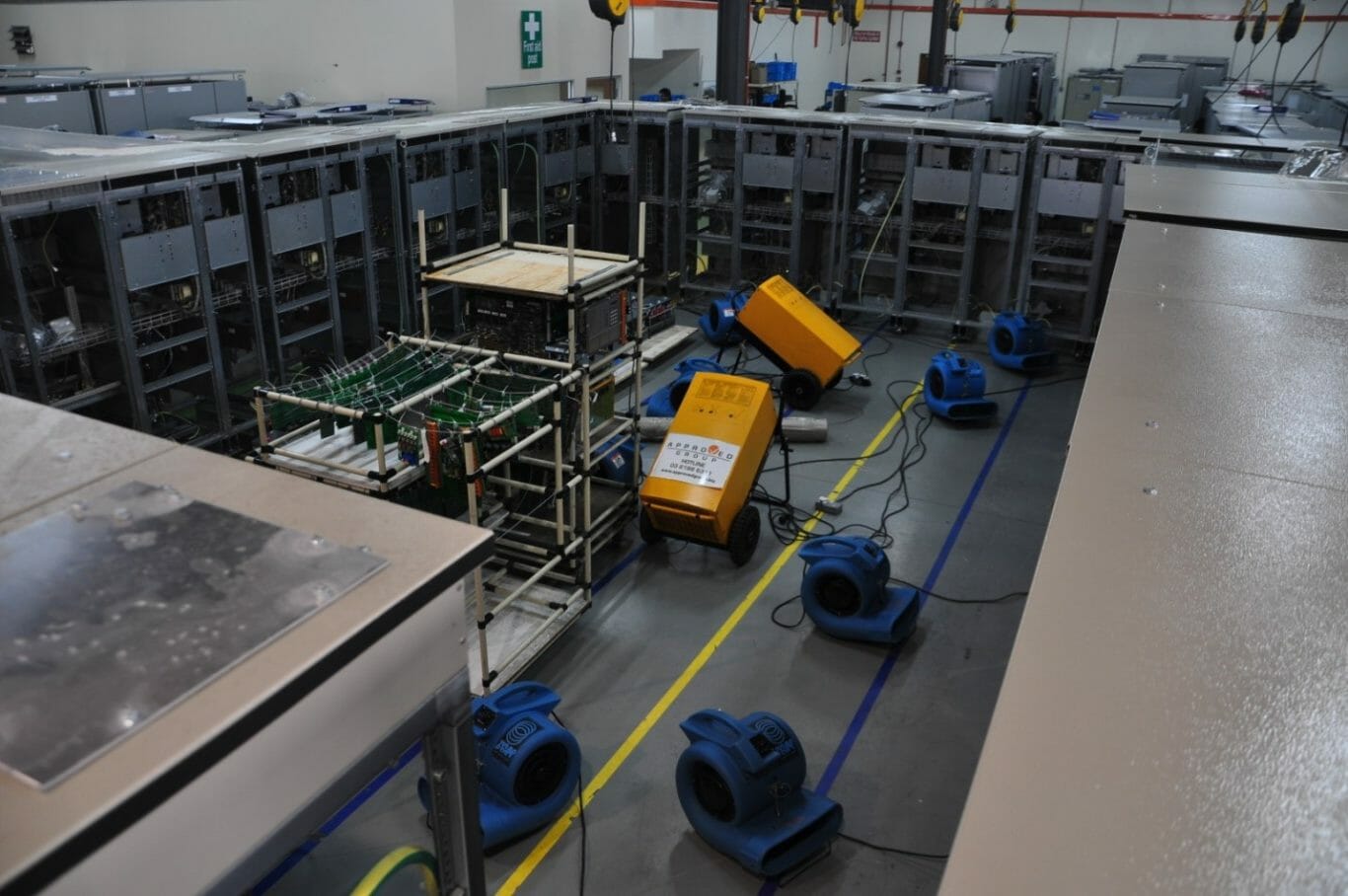
The basic functional principle of drying dehumidifier is really quite simple. A fan draws in humid air and carries it through a refrigerated evaporator. The air is cooled well below its dew point. The water condenses on the cold surface of the evaporator and drips into a water container or is led directly to a drain. Then the cold dry air continues through a hot condenser which heats it up and returns it to the room to pick up new humidity. This procedure is continued until the desired condition is achieved.

Read article