
Content Restoration Services
Recover Valuable Assets. Preserve Priceless Memories. Protect Business Continuity.
AGI combines specialist cleaning, preservation technologies, careful handling, and complete inventory control to recover contents affected by fire, smoke, water, mould, or contamination.
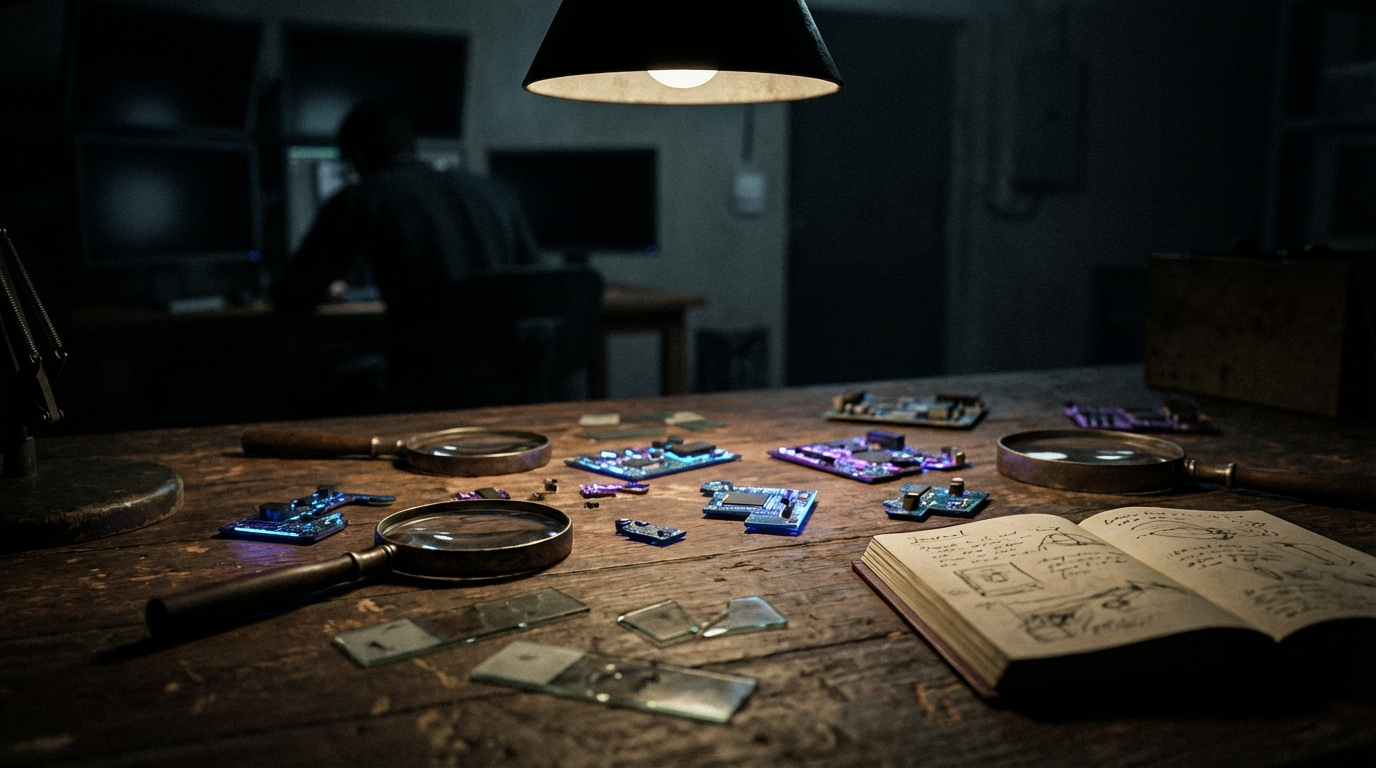
Damage Continues After the Incident
Smoke corrodes surfaces, moisture drives mould growth, paper deteriorates, timber warps, metal corrodes, fabric absorbs odours, and electronic media degrades. Early action protects recovery potential.
Moisture and mould growth
Document deterioration
Artwork damage
Inventory value loss
Photograph deterioration
Odour absorption
Environmental contamination
What We Restore
Content restoration focuses on the valuable movable assets inside a property—from operational records and inventory to artwork and irreplaceable personal belongings.
Contents
Restoration focus
Furniture
Timber, leather, upholstered, office, and residential furnishings
Artwork and collectibles
Paintings, sculptures, antiques, decorative pieces, and collections
Business documents
Contracts, financial records, drawings, legal documents, and confidential files
Photographs and keepsakes
Printed photographs, albums, certificates, awards, and memorabilia
Books and archives
Libraries, manuscripts, publications, and historical records
Commercial inventory
Retail stock, warehouse goods, finished products, and raw materials
Museum and heritage collections
Artefacts, exhibition pieces, and culturally significant collections
Specialist Recovery Services
Each item is assessed according to its material, contamination, value, and operational or sentimental significance.
Damage Assessment
Identify contamination, deterioration, and recovery potential.
Inventory & Documentation
Photograph, label, catalogue, and track each recoverable item.
Cleaning & Decontamination
Select methods suited to material type and contamination.
Odour & Residue Removal
Address smoke, soot, moisture, mould, and environmental residues.
Restoration & Preservation
Stabilise and recover items as closely as practical to pre-loss condition.
Pack-Out & Reinstatement
Securely package, store, return, and account for restored contents.
Our Content Restoration Process
Traceability and careful handling guide every stage from collection to return.
01
Damage Assessment
Identify the type and extent of contamination affecting each item.
02
Inventory
Photograph, label, and catalogue contents for complete accountability.
03
Classification
Group items by material, value, condition, and restoration method.
04
Decontamination
Apply controlled cleaning and residue-removal methods.
05
Preservation
Restore, deodorise, dry, and stabilise items where appropriate.
06
Quality Inspection
Review the result and confirm that the treatment objective has been met.
07
Secure Packaging
Protect restored contents for storage and transport.
08
Return & Reinstatement
Return accounted-for items and support orderly reinstatement.
Control, Care, and Accountability
Content recovery is successful when the condition, treatment, and custody of each item remain clear.
Document
- — Photograph each item
- — Record condition
- — Assign traceable labels
- — Maintain inventory
Restore
- — Material-specific cleaning
- — Drying and deodorisation
- — Preservation treatment
- — Specialist handling
Return
- — Final quality check
- — Secure packaging
- — Inventory reconciliation
- — Planned reinstatement
Why Restore Instead of Replace?
Restoration can reduce cost and downtime while preserving assets that cannot be recreated.
Restoration
- — Lower overall recovery cost
- — Faster return to operation
- — Preserves sentimental value
- — Reduces environmental waste
- — Retains historical authenticity
Replacement
- — Higher capital expenditure
- — Longer procurement lead times
- — Original items permanently lost
- — More disposal and material waste
- — Authenticity cannot be recreated
Industries We Support
Restoration strategies are adapted to the type, value, and operational importance of the contents involved.
Commercial offices
Hotels and resorts
Healthcare facilities
Manufacturing plants
Retail and warehouses
Libraries, museums, and galleries
Educational institutions
Residential properties
Why Choose AGI?
Content restoration demands technical discipline, patience, and respect for the significance of every item.
Careful Handling
Protection for financially, operationally, historically, or emotionally significant contents.
Specialist Methods
Cleaning and preservation selected for the material and contamination.
Inventory Control
Photographic records and traceability through every stage.
Broad Recovery Capability
Residential, commercial, institutional, heritage, and inventory contents.
Cost-Aware Decisions
Restore when technically and economically viable.
Coordinated Delivery
From collection and treatment through secure return and reinstatement.
Frequently Asked Questions
Can smoke-damaged furniture be restored?
Many timber, leather, and upholstered items can be restored using specialised cleaning, deodorisation, and surface treatments. Early intervention improves recovery potential.
Are water-damaged documents always lost?
Not necessarily. Professional drying and preservation methods can recover many records when treatment begins promptly.
Can family photographs be restored?
In many cases, specialist methods can recover photographs affected by water, smoke, or mould, although results depend on the extent of damage.
Is restoration cheaper than replacement?
Often. Restoration may reduce replacement costs while preserving items with sentimental, historical, or operational value.
How are valuable items tracked?
Recoverable items are catalogued, photographed, labelled, and documented throughout the restoration process.
Restore What Matters Most
Whether the property contains business assets, historical collections, or treasured personal belongings, early assessment gives restoration the best chance of success.