
Technical Inspection & Failure Analysis
Every Failure Leaves Evidence. We Help You Find It.
AGI provides independent technical inspection and failure analysis to determine what failed, why it failed, and what should happen next—using engineering evidence rather than assumptions.
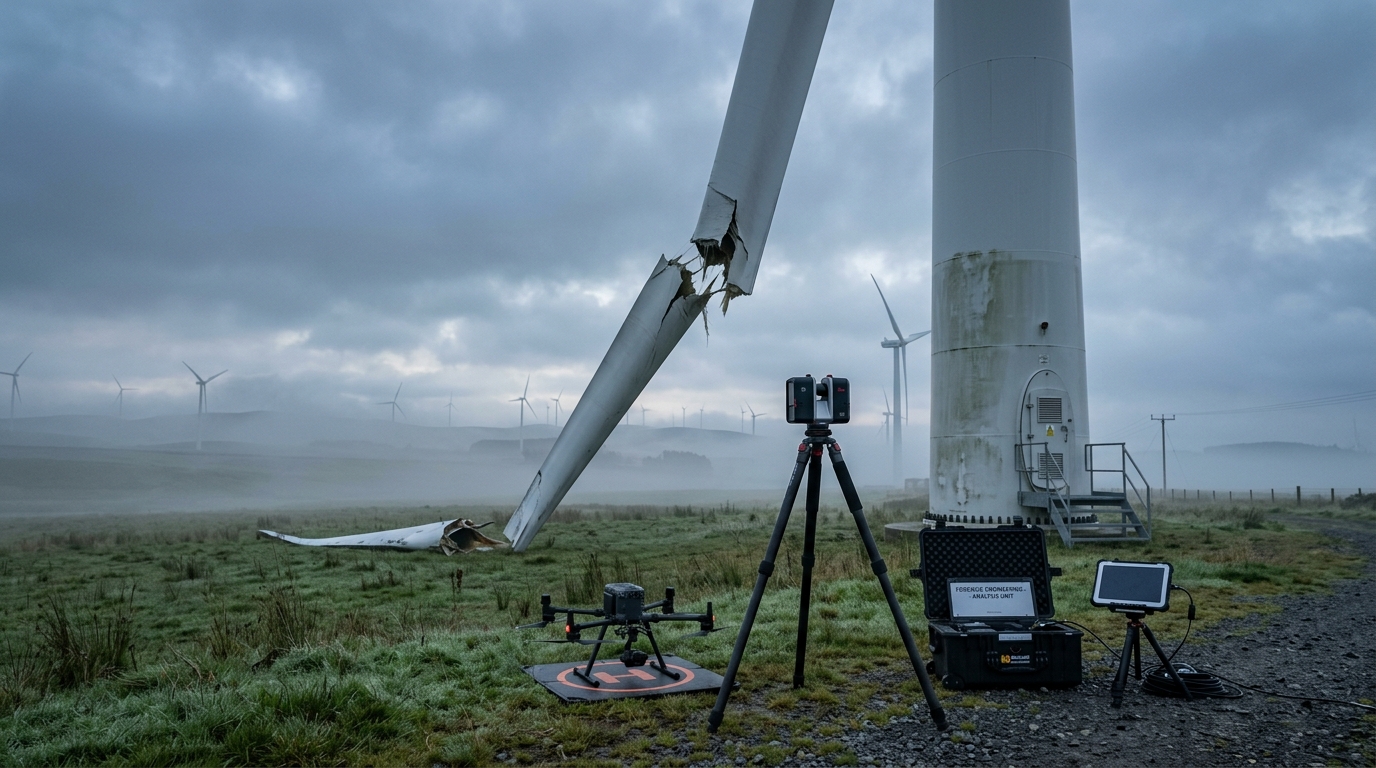
When Is a Technical Inspection Required?
Professional inspection becomes essential when organisations need reliable engineering evidence for operational, insurance, legal, or investment decisions.
Electrical equipment failure
Electronic system malfunction
Mechanical breakdown
Flood and water damage
Chemical contamination
Production equipment failure
Insurance and claims investigation
What We Investigate
Every investigation is tailored to the asset, incident, and available evidence. AGI examines visible damage and the hidden conditions that may have caused it.
Equipment or system
Typical investigation focus
Industrial machinery
Mechanical failure, wear, loading, and operational damage
Electrical systems
Power faults, insulation failure, protection systems, and electrical integrity
Electronic equipment
PCB damage, contamination, circuit faults, and electronic diagnostics
Mechanical components
Fractures, fatigue, wear, corrosion, and material defects
Building services
Mechanical and electrical system failures
Fire- or water-damaged assets
Heat effects, smoke contamination, corrosion, moisture ingress, and restoration feasibility
Our Investigation Toolkit
The right answers begin with the right tools. We combine inspection methods to gather objective evidence and develop technically supportable conclusions.
High-Resolution Photography
Records damage and preserves evidence before dismantling or repair.
Precision Measurement & 3D Imaging
Measures wear, deformation, geometry, and damage profiles with engineering accuracy.
Microscopic & Chemical Analysis
Identifies fractures, corrosion, contamination, residues, and deterioration.
Metallurgical Analysis
Evaluates fatigue, overheating, material defects, and fracture mechanisms.
Electrical Testing
Assesses insulation, continuity, protection systems, and electrical integrity.
Electronic Diagnostics
Investigates PCB assemblies, controllers, circuits, and hidden electronic faults.
From Failure to Facts
A disciplined process protects evidence and keeps every conclusion traceable.
01
Evidence Collection
Photograph, document, and preserve evidence before equipment is altered.
02
Engineering Inspection
Systematically examine affected equipment, components, and surrounding conditions.
03
Technical Testing
Apply electrical, electronic, mechanical, or material testing suited to the failure.
04
Engineering Analysis
Evaluate measurements, test results, and possible failure mechanisms.
05
Root Cause Determination
Identify the most probable cause based on engineering evidence.
06
Technical Reporting
Document findings, supporting evidence, and engineering conclusions.
07
Recommendations
Advise on repair, restoration, replacement, or further investigation.
08
Client Consultation
Help stakeholders interpret the findings and make informed decisions.
Evidence → Analysis → Conclusion
The investigation record connects what was observed to what can be reliably concluded.
Evidence
- — Photographs
- — Measurements
- — Equipment samples
- — Site observations
Analysis
- — Laboratory testing
- — Engineering review
- — Failure assessment
- — Root cause analysis
Conclusion
- — Technical findings
- — Recommendations
- — Supporting documentation
- — Corrective actions
Repair, Restore, or Replace?
An independent assessment identifies whether safety and performance can be restored—and what verification is required before return to service.
Repair or Restore
- — Technically viable
- — Safety can be verified
- — Performance can be recovered
- — Verification testing completed
Replace
- — Integrity cannot be restored
- — Risk remains unacceptable
- — Repair is impractical
- — Long-term reliability is uncertain
Industries We Support
Supporting commercial, industrial, institutional, insurance, and legal stakeholders.
Manufacturing plants
Utilities and energy
Commercial buildings
Healthcare facilities
Marine and logistics
Insurance and legal teams
Why Choose AGI?
Independent engineering expertise, multi-disciplinary analysis, and clear evidence-based reporting.
Independent Assessment
Objective inspections supported by engineering evidence.
Multi-Disciplinary Expertise
Mechanical, electrical, electronic, and material knowledge in one team.
Advanced Methods
Professional inspection technologies selected for the failure.
Evidence-Based Reporting
Findings supported by photographs, testing, and documentation.
Insurance & Legal Support
Technical clarity for insurers, adjusters, owners, and legal professionals.
Practical Recommendations
Clear next steps for restoration, repair, replacement, and risk reduction.
Frequently Asked Questions
What is a technical inspection?
It is a systematic engineering assessment of the condition, integrity, and performance of equipment or systems following a failure, accident, or unexpected event.
When should an inspection be carried out?
As early as possible when the cause is uncertain or independent evidence is needed before repair, dismantling, replacement, or an insurance decision.
What types of equipment can AGI inspect?
AGI inspects industrial machinery, electrical and electronic systems, PLC controllers, mechanical components, pumps, motors, HVAC, production equipment, and building services.
What is root cause analysis?
Root cause analysis identifies the underlying mechanism and contributing conditions behind a failure, rather than addressing only the visible symptom.
Can the report support an insurance claim?
Yes. AGI reports document observations, inspection findings, testing results, engineering conclusions, and practical recommendations for relevant stakeholders.
Engineering Decisions Should Be Based on Evidence
When equipment fails, assumptions can be costly. Speak with AGI about preserving evidence, understanding the cause, and deciding what should happen next.