
Professional Property Restoration Services
Restoring Buildings. Protecting Businesses. Minimising Downtime.
AGI provides coordinated restoration for residential, commercial, industrial, and institutional properties damaged by fire, flood, storms, contamination, and other disasters.
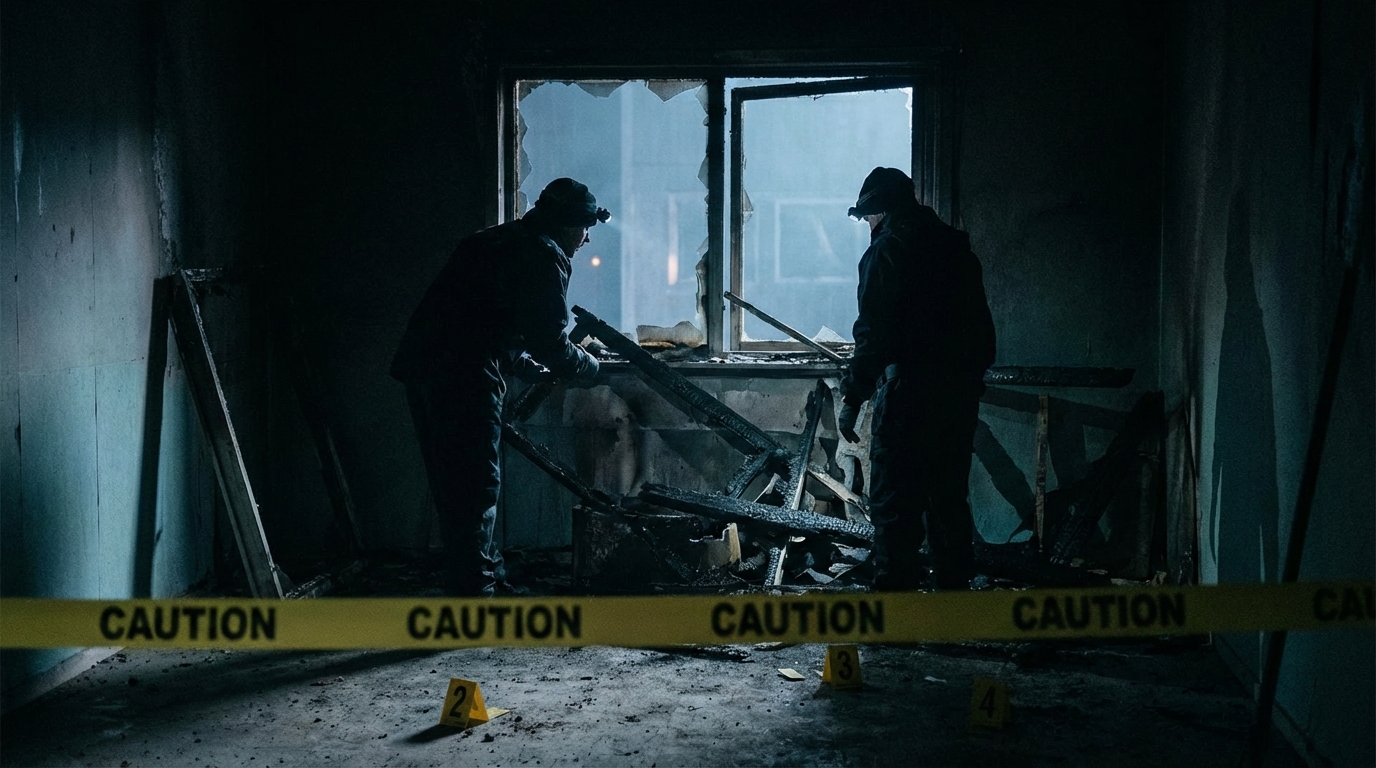
When Disaster Strikes
Damage often extends beyond what is visible. Structural components may be weakened, moisture may remain trapped, and smoke or contaminants can continue causing deterioration.
Flood
Storm
Lightning
Explosion
Burst pipes
Smoke and soot
Mould and moisture
Our Property Restoration Services
The recovery strategy combines immediate stabilisation with disciplined cleaning, drying, repair, and reinstatement.
Service
Restoration scope
Structural repairs
Walls, roofs, ceilings, flooring, reinforcement, and rebuilding
Water damage restoration
Extraction, structural drying, moisture mapping, and mould prevention
Fire and smoke restoration
Soot removal, odour neutralisation, cleaning, and fire damage repair
Mould remediation
Detection, containment, removal, and control of the moisture source
Building reinstatement
Reconstruction of damaged areas toward pre-loss condition
Building services coordination
HVAC, plumbing, electrical, and mechanical systems during restoration
Why Immediate Restoration Matters
Every hour can affect the amount of material that remains recoverable.
Prevent Further Damage
Stabilisation helps limit structural deterioration, moisture spread, and mould growth.
Reduce Recovery Cost
Early action may allow more materials to be restored rather than replaced.
Minimise Downtime
Planned restoration supports faster and more orderly operational recovery.
Protect Occupant Safety
Professional assessment identifies structural, environmental, and service-system risks.
Support the Claim Record
Damage and restoration documentation helps stakeholders understand scope and progress.
Coordinate Reinstatement
One recovery strategy connects drying, cleaning, repair, services, and return to occupation.
Our Property Restoration Process
A clear sequence turns an urgent loss into a controlled recovery programme.
01
Emergency Response
Mobilise the initial response and establish immediate priorities.
02
Damage Assessment
Document the extent, cause, contamination, and recovery constraints.
03
Site Stabilisation
Secure the structure and prevent additional loss.
04
Extraction & Drying
Remove water and address hidden moisture in building materials.
05
Decontamination
Clean smoke, soot, mould, and environmental residues.
06
Structural Repairs
Repair and rebuild damaged building elements.
07
Quality Inspection
Review safety, finish, function, and outstanding work.
08
Ready for Occupation
Complete records and support a controlled return to use.
Assess, Stabilise, Restore
The property recovery record connects the initial condition to the work completed and the decision to reoccupy.
Assess
- — Structural condition
- — Moisture and contamination
- — Building services
- — Operational constraints
Restore
- — Stabilisation
- — Drying and cleaning
- — Repairs and reinstatement
- — Project coordination
Return
- — Quality inspection
- — Safety review
- — Completion records
- — Planned reoccupation
Restoration Before Wholesale Replacement
Modern restoration techniques can preserve building materials and shorten recovery without compromising safety or quality.
Specialist Restoration
- — Emergency response capability
- — Fire, flood, and contamination expertise
- — End-to-end coordination
- — Focus on continuity
- — Restore viable materials
General Repair Approach
- — Often scheduled rather than immediate
- — May focus mainly on construction
- — Multiple contractors may be needed
- — Less emphasis on business continuity
- — Replacement may be the default
Industries We Support
Property recovery for homes and complex occupied or operational facilities.
Manufacturing facilities
Hotels and resorts
Hospitals
Commercial offices
Shopping centres
Residential homes
Schools and universities
Warehouses and government buildings
Why Choose AGI?
A specialist response that connects technical assessment, emergency action, and practical reinstatement.
Disaster Restoration Expertise
Focused experience in fire, flood, storm, smoke, and contamination losses.
Emergency Stabilisation
Early action to limit secondary damage.
Business Continuity Focus
Phased work and recovery planning where operations can continue safely.
Technical Documentation
Clear damage, moisture, scope, and progress records.
Coordinated Delivery
Structural work and building services managed within one restoration strategy.
Restore-First Decisions
Preserve viable materials where safe and practical.
Frequently Asked Questions
What should I do immediately after fire or flood damage?
Protect occupant safety, follow emergency-service directions, document the damage where safe, avoid disturbing affected areas, and contact a professional restoration team promptly.
Can the building be restored instead of demolished?
Many damaged building elements can be restored. A detailed assessment determines what can be retained and what must be replaced to protect safety and compliance.
How long does restoration take?
The duration depends on disaster type, property size, damage extent, moisture, materials, and approvals. AGI develops a restoration plan after assessment.
Can smoke affect rooms untouched by fire?
Yes. Fine smoke particles can travel through ventilation, ceiling spaces, and wall cavities, leaving corrosive residues and odours.
Is mould a concern after flooding?
Yes. Mould can develop quickly when moisture remains inside walls, flooring, or insulation. Moisture mapping and structural drying help reduce that risk.
Can a business operate during restoration?
Where safe and practical, work may be phased or isolated so unaffected areas can continue operating.
Restore Your Property with Confidence
When disaster strikes, early assessment and stabilisation can preserve more of the property, reduce interruption, and create a clear path to recovery.